
Second Day of Chinese New Year 2026 in Singapore: A Foodie Celebration

In Singapore, the second day of Chinese New Year isn’t just about visiting family—it’s also about food, flavors, and festive feasting. Celebrated in 2026 as the Year of the Horse, this day is full of culinary traditions that bring families together.

Many Singaporean households prepare rich, symbolic dishes for family gatherings. Popular foods include:

  • Yu Sheng (Prosperity Toss Salad) – a colorful mix of raw fish, vegetables, and sauces symbolizing abundance and good luck.

  • Bak Kwa (Barbecued Meat) – a sweet, savory snack often shared with relatives and friends.

  • Pineapple Tarts and Kueh Bangkit – festive sweets representing wealth and good fortune.

  • Steamed Fish and Dumplings – staples for family meals, symbolizing unity and prosperity.

On this day, married daughters often return to their parents’ homes, bringing dishes or enjoying meals together. Some families also visit friends and extended relatives, sharing snacks and exchanging red packets.

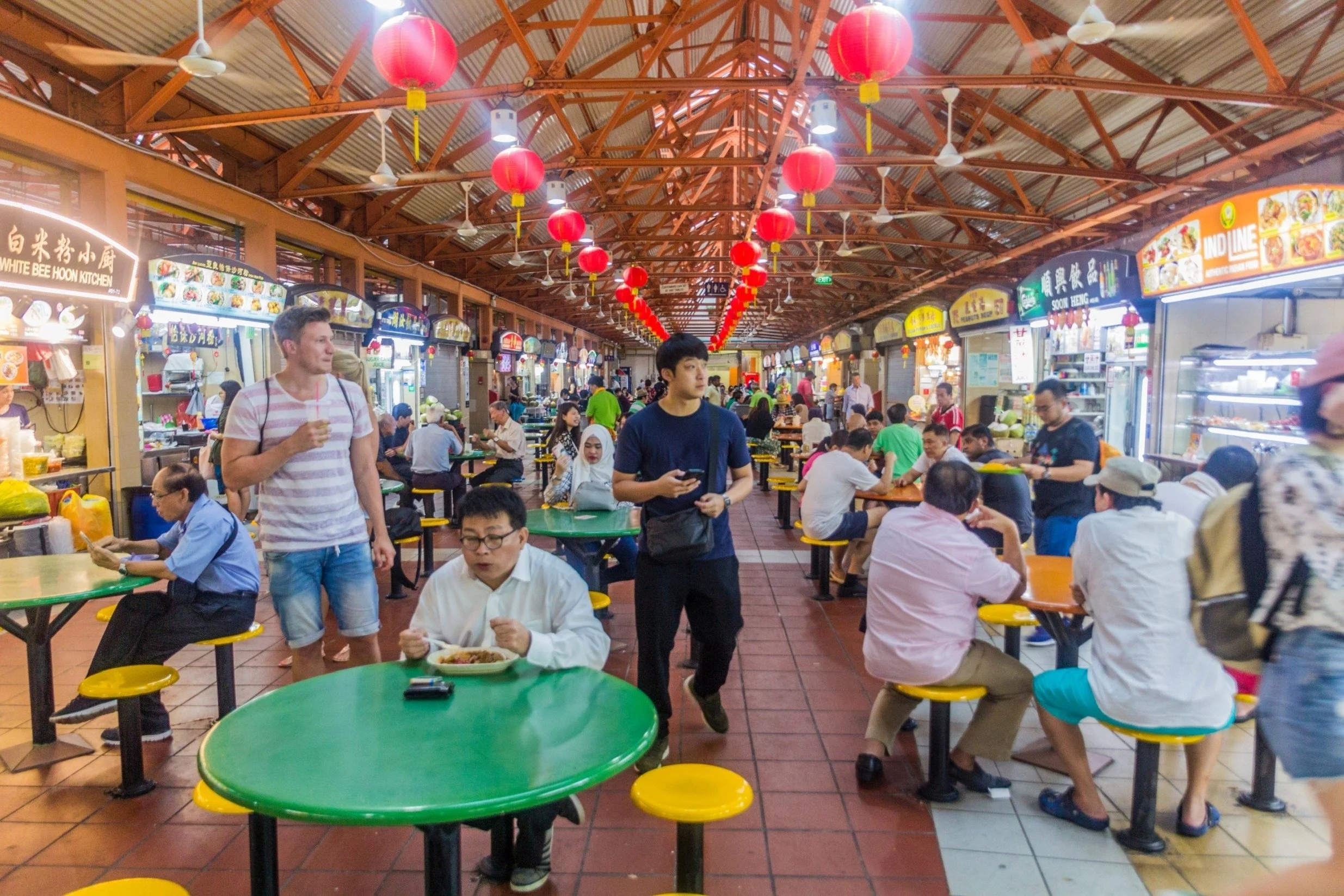
For visitors in Singapore, the second day of Chinese New Year is a perfect chance to taste traditional delights and experience the city’s vibrant culinary culture. From bustling hawker centers to family tables, food is truly at the heart of this celebration.

In 2026, as we celebrate the Year of the Horse, the second day reminds everyone that sharing a meal is sharing blessings, and no feast is complete without a generous helping of joy, togetherness, and delicious Singaporean flavors.

Hello Singapore
Singapore To-Do List for February Visitors: What to See, Do & Expect

February is a vibrant month to visit Singapore, with cooler weather, exciting events, and plenty of attractions to explore. Whether you’re a first-time visitor or a returning traveler, here’s your ultimate Singapore to-do list for February 2026.

1. Celebrate Chinese New Year (CNY) Festivities

February often coincides with Chinese New Year, one of the most colorful and lively celebrations in Singapore. Visit Chinatown to see stunning lantern displays, catch lion and dragon dances, and try festive treats like pineapple tarts and bak kwa. Don’t miss the CNY street bazaars for souvenirs and snacks.

2. Explore Iconic Landmarks

No Singapore to-do list is complete without visiting the city’s must-see landmarks:

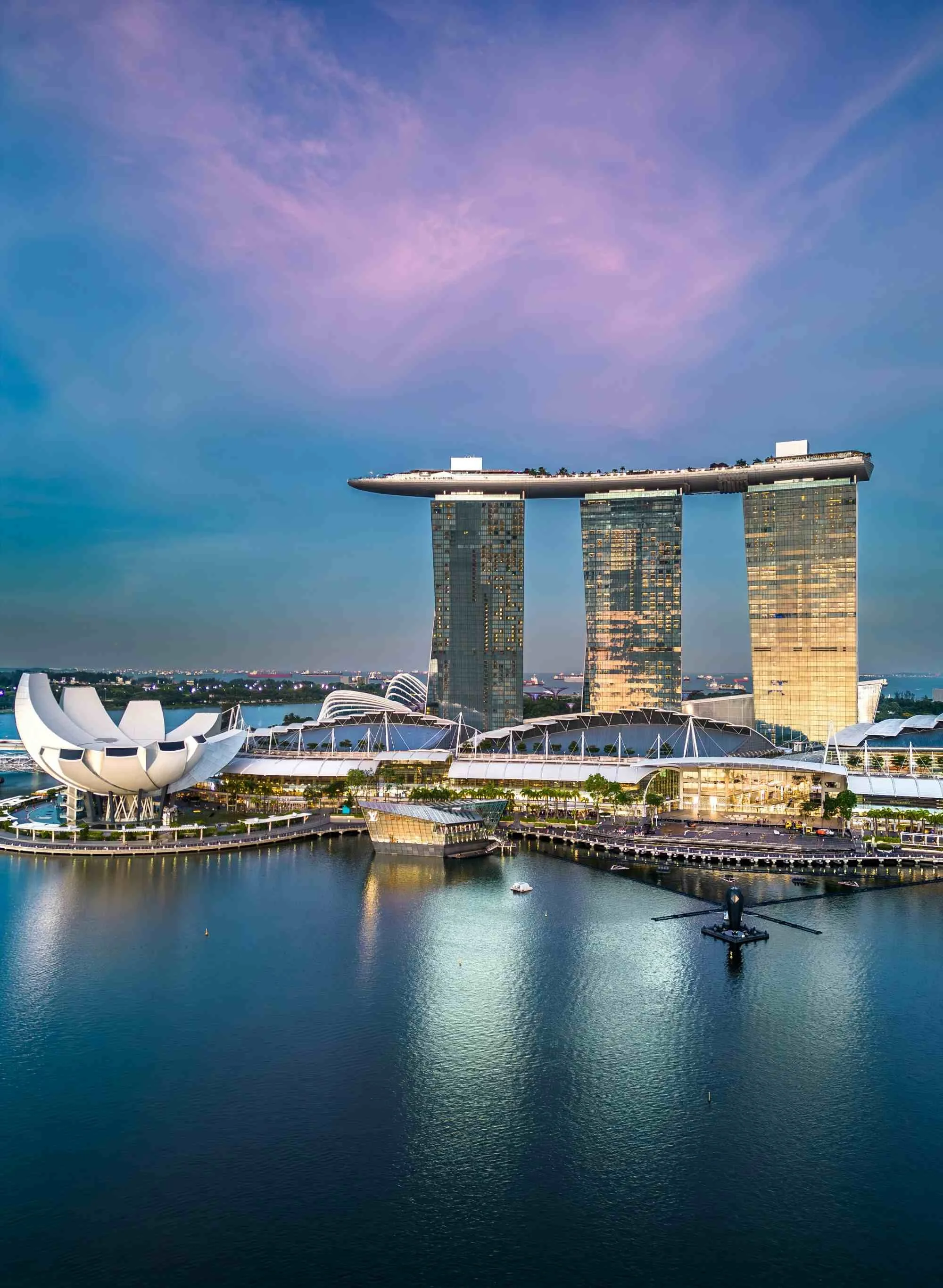
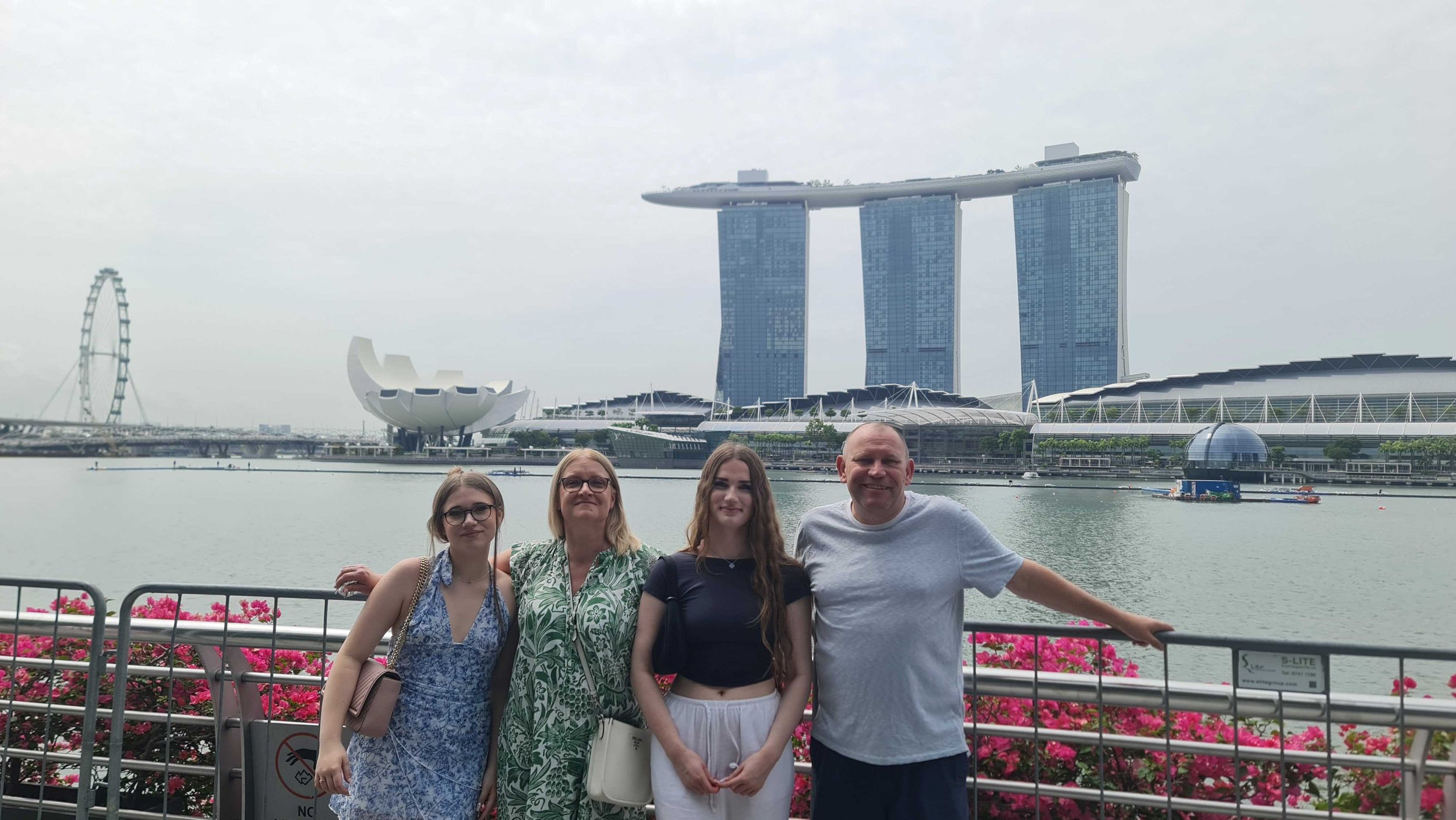
  • Marina Bay Sands & SkyPark: Enjoy panoramic city views.

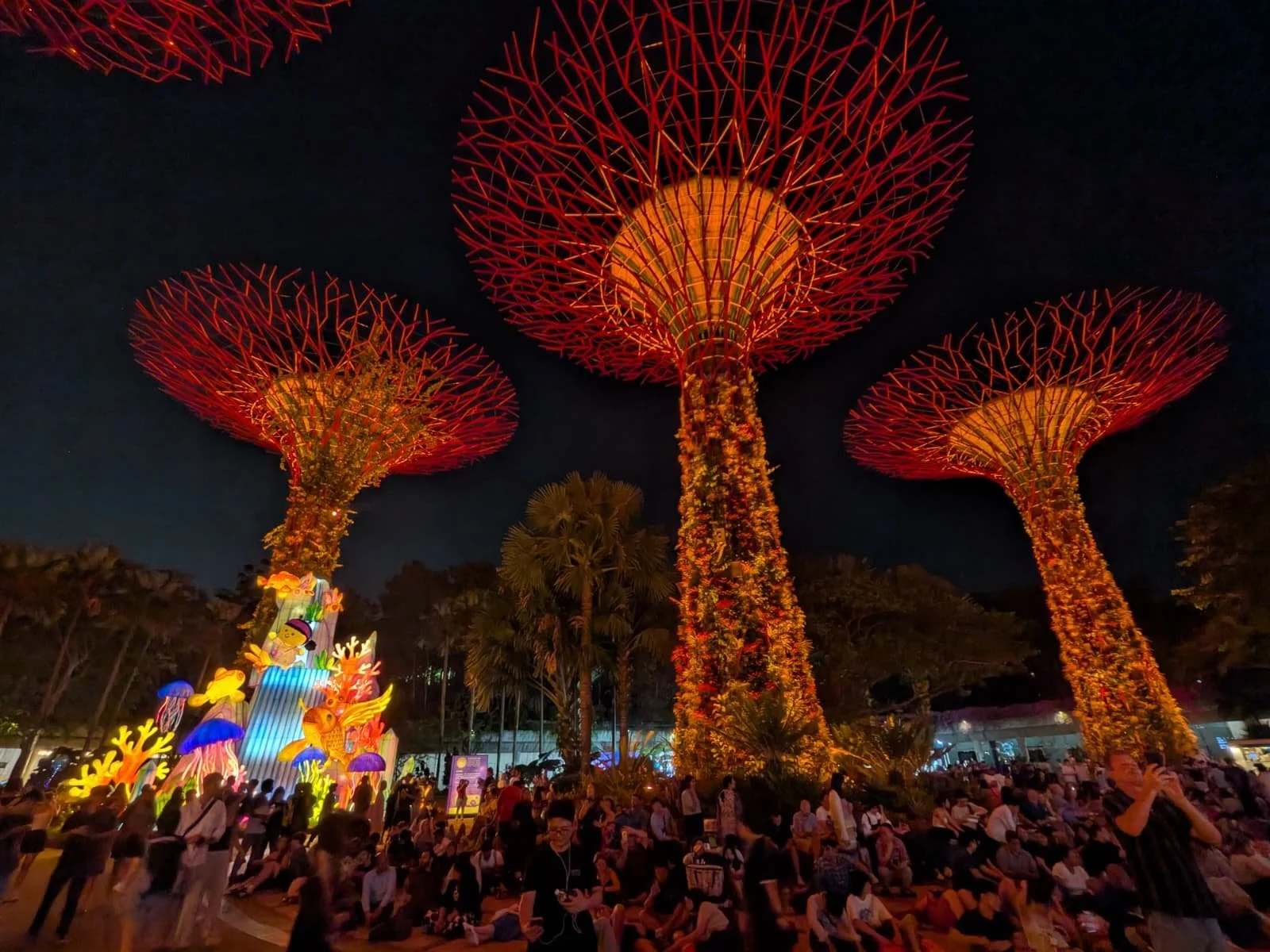
  • Gardens by the Bay: Stroll through the Flower Dome and Cloud Forest.

  • Merlion Park: Snap photos with Singapore’s iconic Merlion.

3. Dive Into Cultural Neighborhoods

Discover Singapore’s rich heritage by exploring its cultural districts:

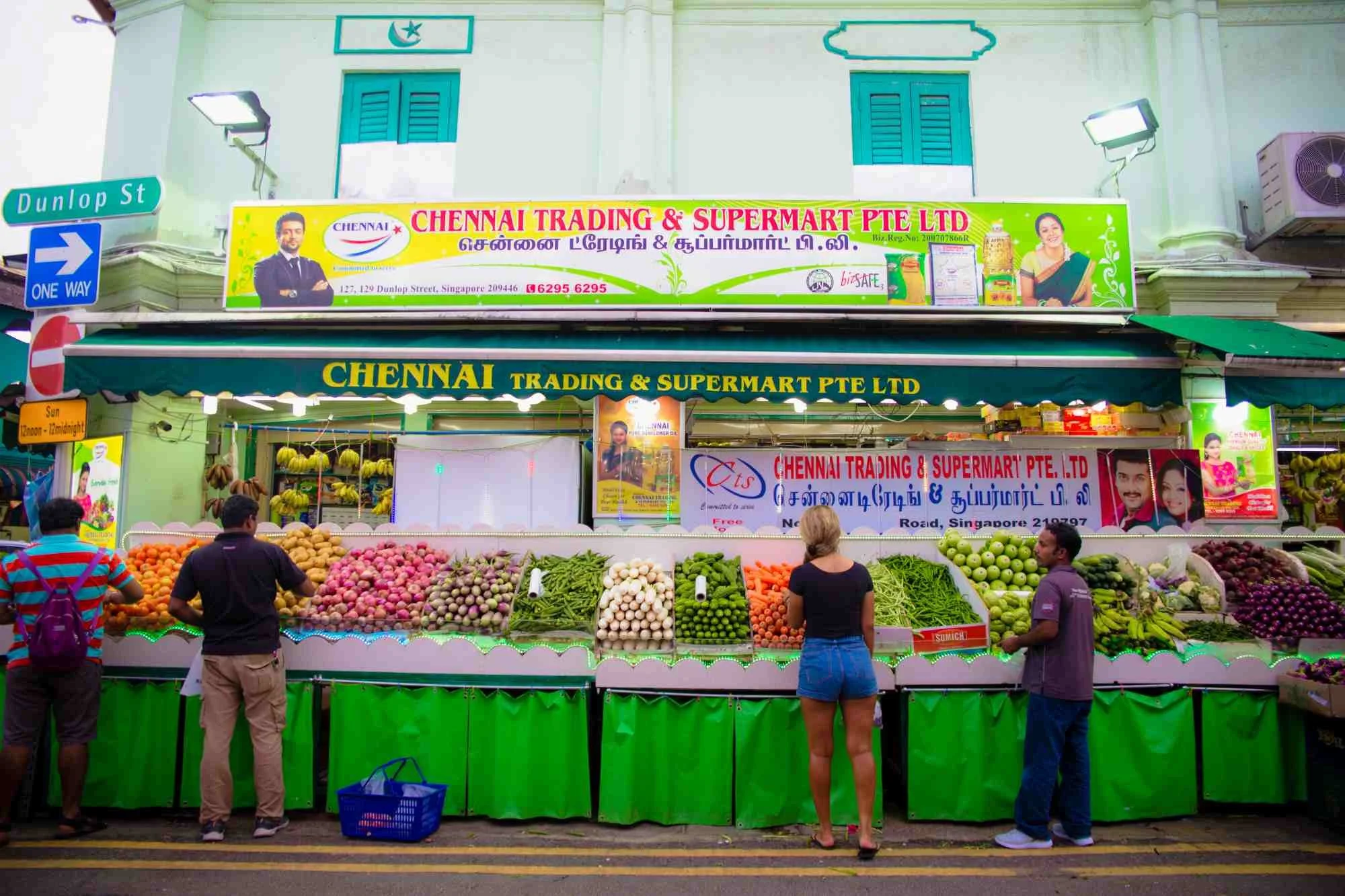
  • Little India: Colorful temples, vibrant streets, and local Indian cuisine.

  • Kampong Glam: Home to the Sultan Mosque, trendy boutiques, and Middle Eastern flavors.

  • Chinatown: Perfect for CNY celebrations and learning about Chinese heritage.

4. Enjoy Singapore’s Food Scene

February is ideal for indulging in Singapore’s culinary delights:

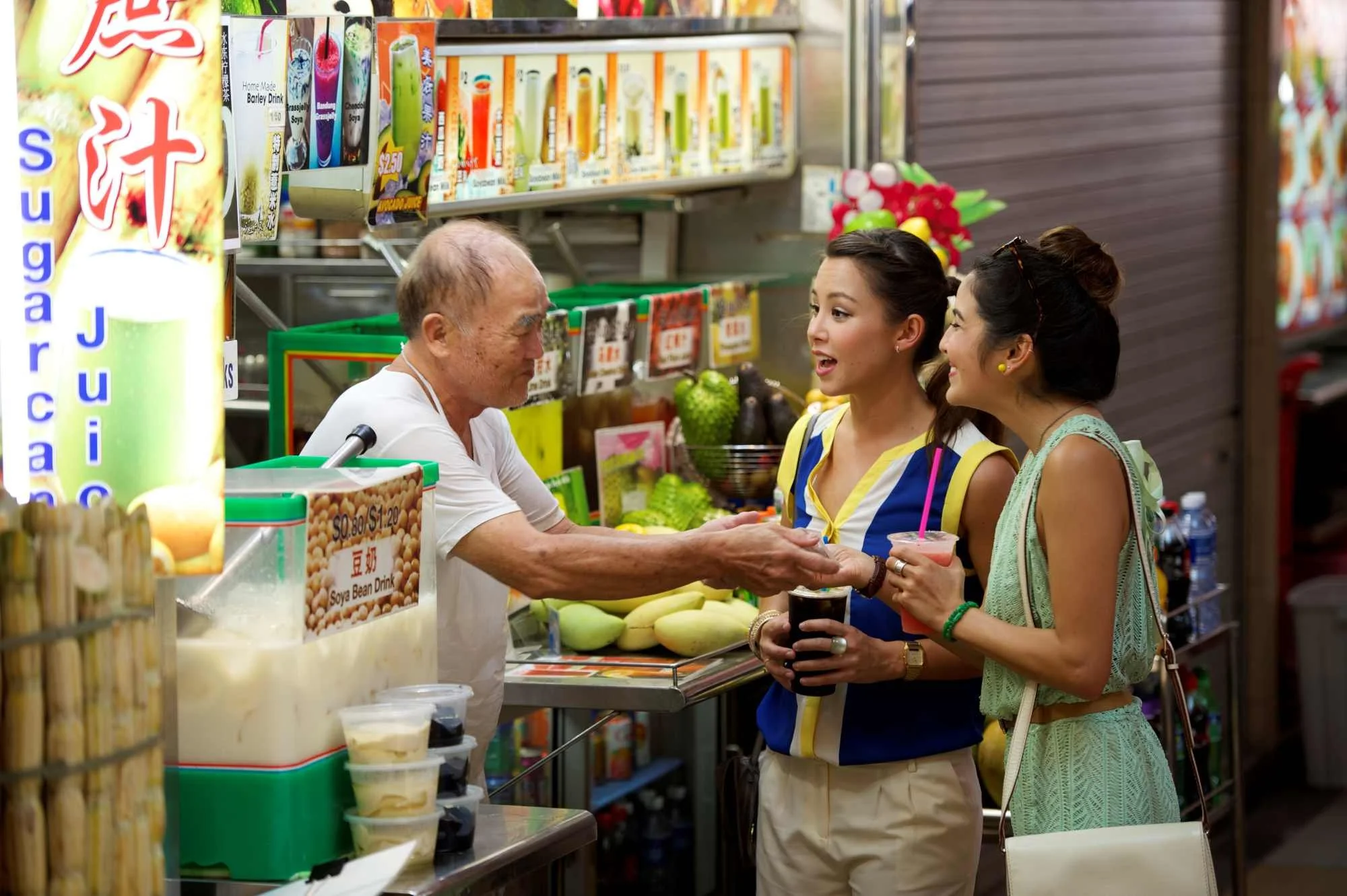
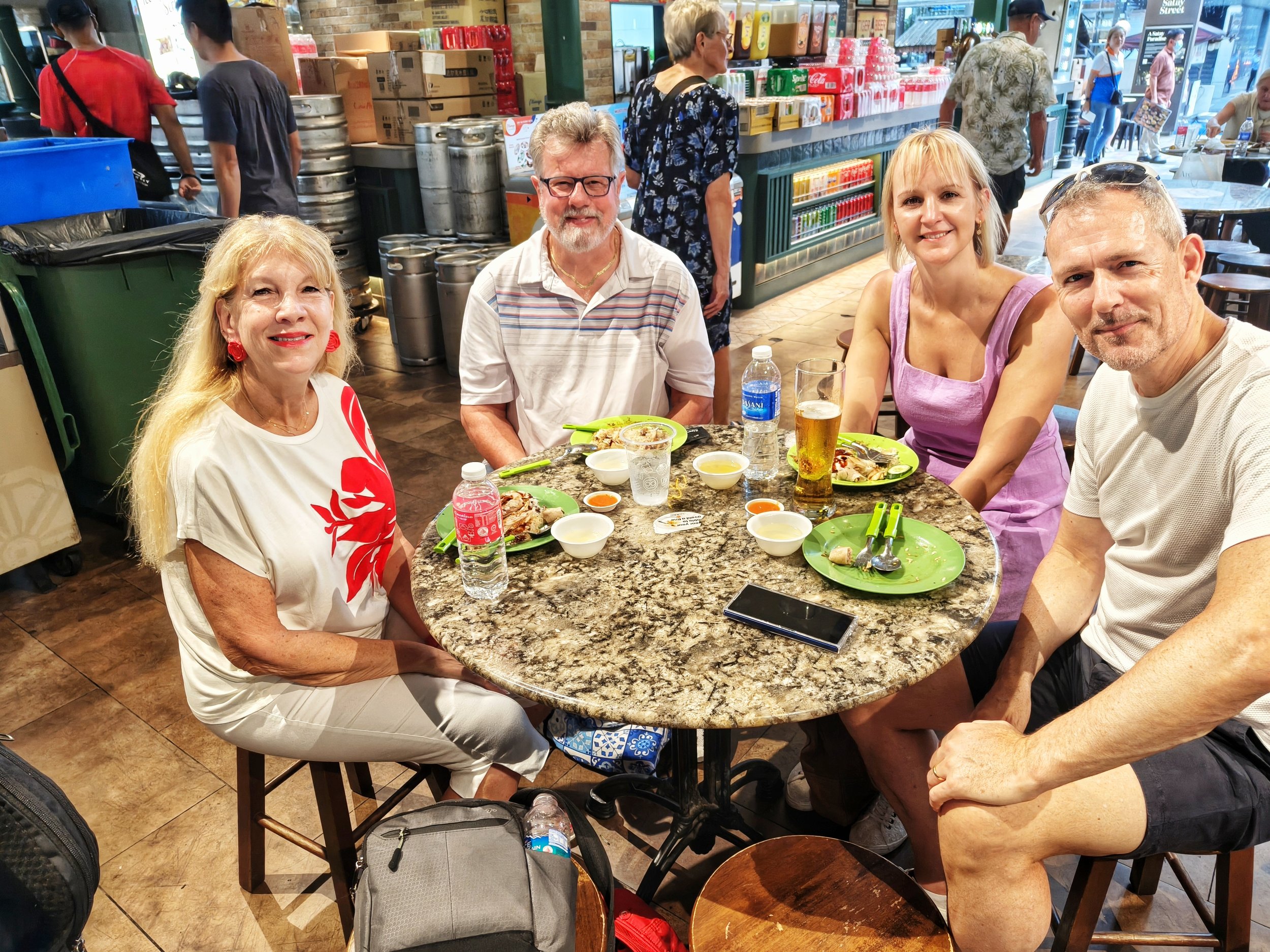
  • Hawker Centers: Try Hainanese chicken rice, laksa, satay, and chili crab.

  • Chinatown and Little India Food Trails: Experience authentic local flavors and festive treats.

  • Afternoon Tea: Many hotels offer special CNY-themed high teas.

5. Experience Outdoor Adventures

Take advantage of the pleasant February weather for outdoor activities:

  • Sentosa Island: Relax on the beaches or visit Universal Studios Singapore.

  • Singapore River Cruise: Enjoy scenic views while learning about the city’s history.

  • Hiking and Nature Walks: Explore MacRitchie Reservoir or the Southern Ridges.


Tips for February Visitors:

  • Bring a reusable water bottle to stay hydrated while exploring the city.

  • Book tours or attractions in advance, especially during the CNY period.

  • Wear light, breathable clothing, as Singapore is warm and humid year-round.

With this Singapore to-do list for February, you’ll experience the best of the city-state’s culture, food, and iconic attractions while enjoying a festive atmosphere. Whether it’s your first time in Singapore or you’re returning for the celebrations, February is a month that truly showcases the Lion City’s energy and charm.

Chinese New Year in Singapore: What to Expect in February

Chinese New Year is one of the most exciting times to visit Singapore, and February is when the city truly comes alive. As a multicultural city with a strong Chinese heritage, Singapore celebrates the Lunar New Year on a grand scale—blending centuries-old traditions with modern city flair. From dazzling decorations to energetic lion dances, here’s what visitors can expect during Chinese New Year in Singapore.

Festive Traditions You’ll See Everywhere

Chinese New Year in Singapore is centered around family, renewal, and good fortune. In the days leading up to the New Year, locals clean their homes to sweep away bad luck and prepare for a fresh start. During the festival, you’ll notice families visiting relatives, exchanging mandarin oranges (a symbol of prosperity), and giving hongbao—red packets filled with money for good luck.

For visitors, this is a great opportunity to witness authentic cultural traditions in everyday life, especially in residential neighborhoods and heritage districts.

Stunning Decorations Across the City

Singapore goes all out with Chinese New Year decorations, especially in Chinatown. Streets are lined with red lanterns, zodiac-themed installations, and glowing arches that look even more magical at night. Shopping malls and public spaces also join in, decorating with auspicious symbols like gold ingots, plum blossoms, and festive calligraphy.

Even if you’re just strolling through the city, it’s impossible to miss the festive atmosphere.

Lion Dances and Cultural Performances

One of the highlights for visitors is the lion dance performances. You’ll often see them outside shops, hotels, and malls, as businesses invite lion dance troupes to bring good luck and prosperity for the year ahead. These performances are loud, energetic, and colorful—complete with drums, cymbals, and impressive acrobatics.

Chinatown and major shopping areas are the best places to catch scheduled performances, especially during the first few days of the New Year.

Public Holidays and What to Expect

Chinese New Year is a public holiday in Singapore, usually lasting two days. During this time, government offices and some businesses close, while tourist attractions, shopping malls, and restaurants mostly remain open—often with festive menus and special events.

Public transport continues to run efficiently, though it can be busier than usual as locals travel to visit family. Planning your activities earlier in the day can help you avoid peak crowds.

Tips for Visitors During Chinese New Year

  • Expect larger crowds in Chinatown and popular attractions

  • Book accommodations and tours in advance, as February is a busy travel period

  • Check business hours, especially for small shops and local eateries

  • Embrace the celebrations—this is one of the best times to experience Singapore’s cultural heart

Why February Is a Great Time to Visit Singapore

Visiting Singapore during Chinese New Year offers more than just sightseeing—it’s a chance to experience living traditions, vibrant street celebrations, and the warmth of local culture. Whether you’re watching a lion dance, exploring lantern-lit streets, or simply soaking in the festive mood, Chinese New Year in Singapore is an unforgettable experience for first-time and returning visitors alike.

Public Transport in Singapore: Why It’s Still World-Class in 2026

Singapore is known for many things—great food, clean streets, and smart city planning. But one thing that continues to impress visitors and locals alike is its public transport system. Even in 2026, Singapore’s MRT and bus network remains one of the most efficient, reliable, and visitor-friendly systems in the world.

Whether you’re visiting for the first time or returning after many years, getting around Singapore is still incredibly easy.

Photo: STB

A Transport System Designed for Everyone

Singapore’s public transport is designed with people first in mind. Stations are clean, well-lit, air-conditioned, and clearly signposted in English. Elevators, escalators, tactile paving, and priority seating make travel accessible for seniors, families, and travelers with mobility needs.

For visitors, this means less stress and more time enjoying the city.

The MRT: Fast, Reliable, and Always Improving

The MRT (Mass Rapid Transit) remains the backbone of Singapore’s transport system in 2026. Trains arrive frequently, platforms are safe and organized, and delays are rare.

Newer lines and station upgrades continue to improve connectivity between neighborhoods, tourist attractions, and residential areas. Popular places like Marina Bay, Orchard Road, Chinatown, Little India, and Sentosa are all easy to reach by train.

For travelers, the MRT is still the fastest way to explore Singapore.

Buses That Fill the Gaps Perfectly

Singapore’s bus network complements the MRT extremely well. Buses reach areas not directly served by train lines and operate on reliable schedules.

Bus stops show real-time arrival information, making it easy to plan your journey. Even during peak hours, buses remain orderly, clean, and air-conditioned—something many visitors find impressive.

Cashless, Contactless, and Tourist-Friendly

In 2026, traveling in Singapore is almost entirely cashless. Visitors can use contactless credit cards, mobile wallets, or transport cards to tap in and out seamlessly.

There’s no need to worry about buying tickets every time. Just tap, ride, and go. This simplicity is one reason Singapore remains a favorite for first-time travelers.

Safe, Clean, and Well-Managed

Safety and cleanliness continue to set Singapore apart. Stations and vehicles are regularly cleaned, security is visible but unobtrusive, and rules are clearly communicated.

The result is a calm, respectful travel environment—even during rush hours.

Environmentally Friendly and Future-Focused

Singapore continues to invest in greener transport solutions. More electric buses, energy-efficient trains, and smart traffic management systems help reduce emissions while keeping the system running smoothly.

Public transport plays a key role in Singapore’s vision of a sustainable and livable city, making it a model other countries still look to in 2026.

What Tourists Notice About Singapore in 2026

Singapore is often described as clean, modern, and efficient. But when visitors spend a little more time in the city, they start noticing details that don’t always appear in guidebooks. In 2026, these everyday observations are what make Singapore memorable for many travelers.

Here are some of the things tourists often notice when they experience Singapore beyond the highlights.

1. How Easy It Is to Get Around

One of the first things visitors notice is how simple daily travel feels. Trains arrive on time, stations are clearly marked, and buses connect almost every neighbourhood.

Even for first-time visitors, Singapore feels easy to navigate. Clear signs, announcements in English, and well-designed stations make moving around stress-free. For many travelers, this ease encourages them to explore more — not just tourist areas, but local neighbourhoods too.

2. The Calm Order of Everyday Life

Singapore feels busy, yet calm at the same time. Tourists often notice how people queue patiently, follow traffic rules, and move with purpose without rushing others.

This sense of order creates a feeling of safety and comfort, especially for families, seniors, and solo travelers. It allows visitors to relax and enjoy the city rather than worry about logistics.

3. Green Spaces Everywhere

Many visitors are surprised by how green Singapore feels. Parks, trees, and water features appear throughout the city — even in business districts and residential areas.

From walking paths near housing estates to nature reserves just minutes from the city centre, tourists notice how nature is woven into daily urban life. In 2026, this balance between city living and greenery continues to be one of Singapore’s quiet strengths.

4. Cultural Diversity in Daily Moments

Singapore’s diversity is not limited to festivals or museums. Tourists notice it in everyday moments — different languages spoken on the train, varied food stalls at hawker centres, and neighbourhoods with distinct cultural identities.

Chinatown, Little India, Kampong Glam, and heartland areas each offer different sights, sounds, and rhythms. Visitors often appreciate how cultures coexist naturally, not as attractions, but as part of daily life.

5. Hawker Centres as Social Spaces

Food is important in Singapore, but tourists often notice something deeper: hawker centres are social spaces. Families gather, office workers eat together, and older residents enjoy long conversations over kopi.

In 2026, hawker centres remain places where visitors can experience Singapore’s food culture in a genuine way — not rushed, not formal, and always welcoming.

6. How Cleanliness Feels Effortless

Singapore’s cleanliness stands out, but what tourists notice most is how natural it feels. Streets, trains, and public spaces are well maintained without feeling overly strict or uncomfortable.

This creates an environment where visitors feel respected and cared for — a city that takes pride in shared spaces.

7. A City That Feels Safe at Any Hour

Many travelers mention how safe Singapore feels, even late at night. Walking through neighbourhoods, using public transport, or exploring alone feels comfortable for most visitors.

This sense of safety allows tourists to experience the city more freely, whether it’s an evening walk, night market visit, or late dinner.

8. The Rhythm of a Well-Planned City

Beyond landmarks, tourists notice how thoughtfully Singapore is designed. Residential areas have nearby shops, transport access, and public facilities. Tourist attractions sit alongside real communities.

In 2026, this careful planning continues to shape how visitors experience the city — not as a theme park, but as a place where people truly live.

Seeing Singapore Through Fresh Eyes

What tourists notice about Singapore in 2026 is often found in the small details: how daily life flows, how cultures blend, and how the city quietly works in the background.

For visitors willing to slow down and explore beyond the main sights, Singapore reveals itself as a city that is thoughtful, welcoming, and deeply human.

Singapore in Every Season: When to Go and What to Expect

Singapore is a modern city with rich culture, amazing food, and easy transport. It is a great destination all year round because the weather stays warm and many exciting events happen every month. Whether you love shopping, food, culture, or nature, there is always something to enjoy in Singapore.

Here is a simple guide to help you decide the best time to visit Singapore in 2026 and what you can expect in each season.

January to March: Cool Start to the Year

At the beginning of the year, Singapore feels slightly cooler and is more comfortable for walking around.

Weather:

  • Warm and humid

  • Short, light rain showers

  • Temperature around 25°C to 30°C

What to expect:

  • Chinese New Year celebrations with lanterns, markets, and fireworks

  • Beautiful street decorations in Chinatown

  • Great time for walking tours and garden visits

This season is perfect for visitors who enjoy festive culture and outdoor sightseeing.

April to June: Hot and Sunny Months

These months are usually warmer, with more sunshine and some short rain showers.

Weather:

  • Hot and humid

  • Temperature around 27°C to 33°C

  • Occasional thunderstorms in the afternoon

What to expect:

  • Shopping season with sales in malls

  • Colourful cultural festivals

  • Great time to visit Sentosa Island and rooftop attractions

This is a good time for visitors who enjoy city views, beach vibes, and indoor attractions.

July to September: Festival Season

This period is lively, with many cultural and food events happening across the city.

Weather:

  • Warm with more rain

  • Mix of sunshine and short heavy showers

  • Temperature around 26°C to 31°C

What to expect:

  • Singapore Food Festival

  • Night markets and street food events

  • Great time to explore hawker centres

This season is best for food lovers and those who want to experience local life.

October to December: Rainy but Magical

These months are wetter but very beautiful, especially during the year-end festive season.

Weather:

  • More frequent rain

  • Warm temperatures

  • Fresh and green city views after rain

What to expect:

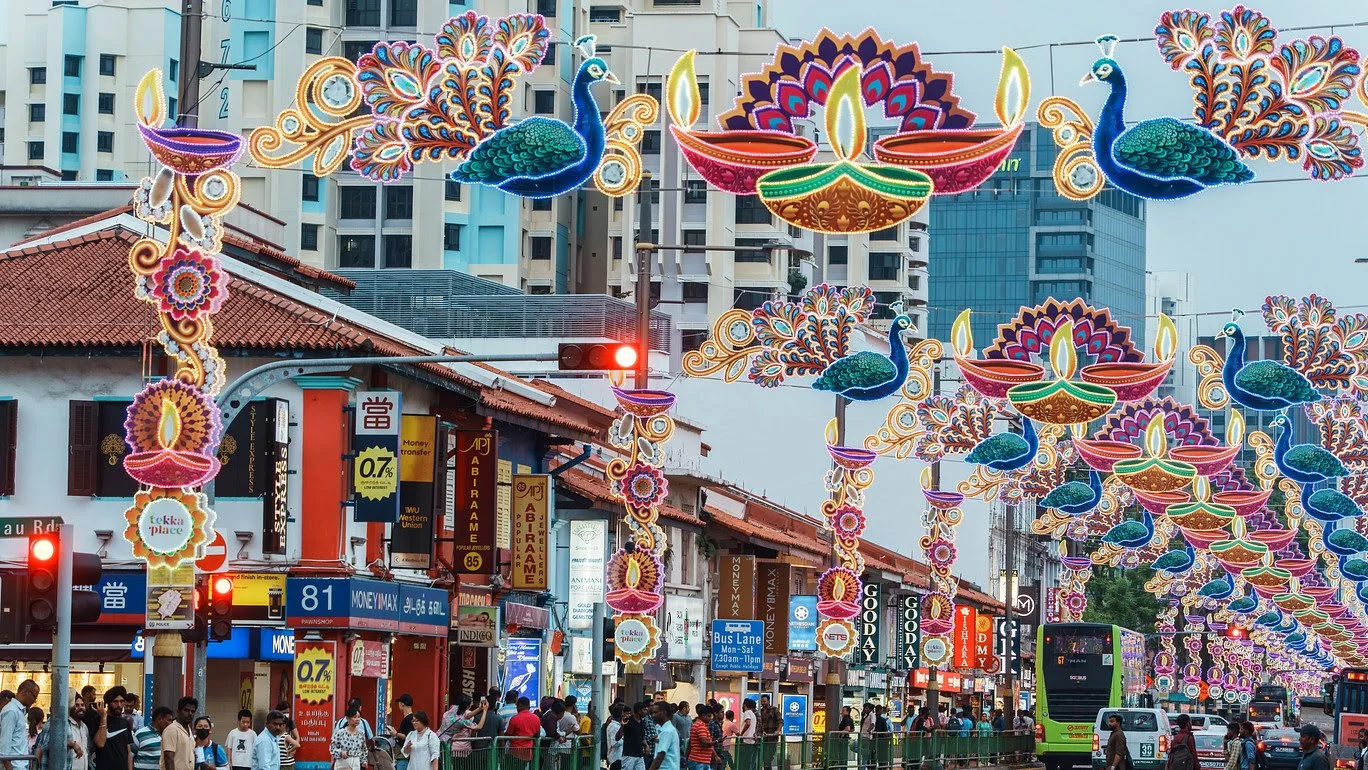
  • Deepavali (Diwali) light-up in Little India

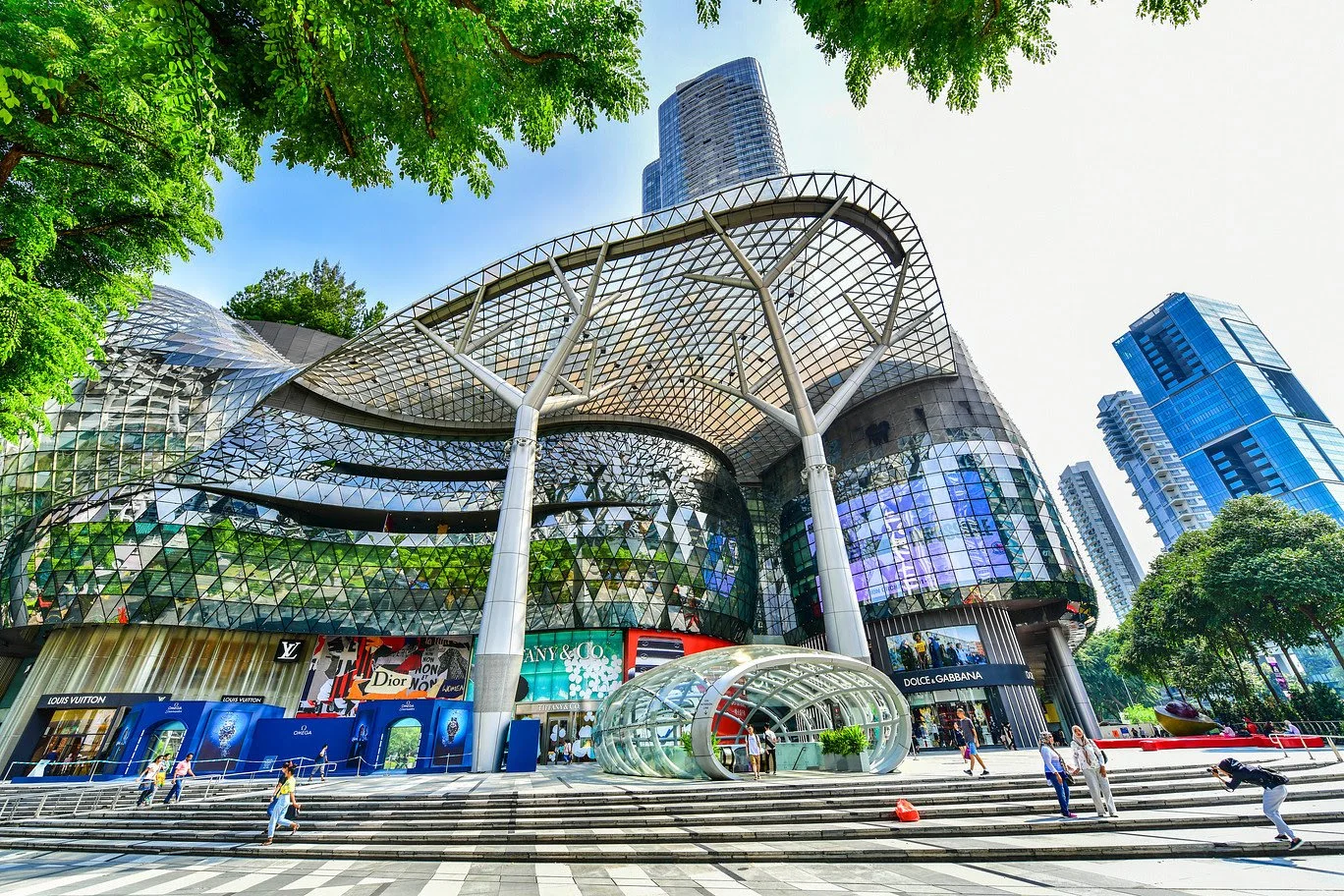
  • Christmas decorations along Orchard Road

  • Year-end shopping and festive food

December is one of the most popular times to visit because of the lights, events, and joyful mood across the city.

So, When Is the Best Time to Visit Singapore in 2026?

The best time to visit Singapore depends on your travel style:

  • For festivals and culture: January to March

  • For sunshine and fun attractions: April to June

  • For food and street life: July to September

  • For festive lights and celebrations: October to December

The good news is that Singapore is a great destination all year round, and every season offers a unique experience.

Want to Explore Singapore with a Local Guide?

If you want a smooth and stress-free trip, guided tours can help you experience the best of Singapore. You can explore neighbourhoods, try local food, and learn about the city’s history in an easy and fun way.

Singapore truly offers something special in every season.

Hello Singapore
Why Visit Singapore in 2026? Top Reasons to Go

Singapore is a small country with a big heart. It is clean, safe, modern, and full of culture. In 2026, Singapore continues to be one of the best places to visit in Asia. It is easy to explore, full of amazing food, and packed with experiences that suit all kinds of travellers.

If you are planning your next Asian trip, here are the top reasons why Singapore should be on your travel list.

Easy to Explore

Singapore is very easy to get around. The MRT (train system) is clean and simple to use. Buses are reliable, and taxis and ride-hailing apps are widely available. Signs are in English, and most people speak English, making it very tourist-friendly.

You can explore many attractions in a short time, making Singapore perfect for short holidays or stopovers.

Amazing Food Scene

Singapore is famous for its food, and in 2026 the food scene is even more exciting. You can enjoy meals in hawker centres, cafés, local restaurants, and fine dining spots.

Must-try local dishes include:

  • Hainanese chicken rice

  • Chilli crab

  • Laksa

  • Char kway teow

  • Satay

Hawker centres like Lau Pa Sat, Maxwell Food Centre, and Chinatown Complex are still must-visits. Food is affordable, delicious, and full of flavour.

A Mix of Cultures

Singapore is a beautiful mix of different cultures. You can walk from a Chinese temple to a Hindu temple and then to a mosque within minutes.

Popular cultural areas to visit include:

  • Chinatown

  • Little India

  • Kampong Glam

Each area has its own history, food, and atmosphere. This makes Singapore rich in tradition and very interesting to explore.

World-Class Attractions

In 2026, Singapore continues to offer top attractions that visitors love. These are part of many travellers’ Singapore to-do list:

  • Marina Bay Sands SkyPark

  • Gardens by the Bay

  • Merlion Park

  • Sentosa Island

  • Universal Studios Singapore

You can enjoy city views, nature, beaches, theme parks, and shopping all in one city.

Singapore is known for being one of the safest cities in the world. Streets are clean, public transport is orderly, and rules are followed. This gives travellers peace of mind, especially solo travellers and families. Singapore is great to visit in any season, including 2026. There are festivals, shopping events, food markets, and cultural celebrations all year. Whether you visit during Chinese New Year, Deepavali, Hari Raya, or Christmas, the city always feels lively and special. For those visiting Asia for the first time, Singapore is a great starting point. It is modern, organized, and easy to understand without losing its Asian charm. Many first-time visitors say Singapore feels exciting but not overwhelming.

Explore Singapore with a Local Guide

To make the most of your trip in 2026, consider joining a guided tour. A local guide can bring you to hidden spots, share stories, and help you understand the culture better.

With guided walking tours, food tours, and private experiences, you can enjoy a deeper and more meaningful visit.

Singapore in 2026 is a perfect mix of modern city life, rich culture, and unforgettable food. It is a destination that suits couples, families, solo travellers, and even business travellers.

If you are planning your next Asian trip, make sure Singapore is on your list. It is a city that is easy to love and hard to forget.

Celebrate New Year 2026 in Singapore: Highlights & Wishes

Finally, 2026 is here! We at Hello! Singapore Tours wish all our guests a Happy New Year! Singapore is sparkling with festive energy, from lingering Christmas lights to vibrant street markets and family-friendly experiences.

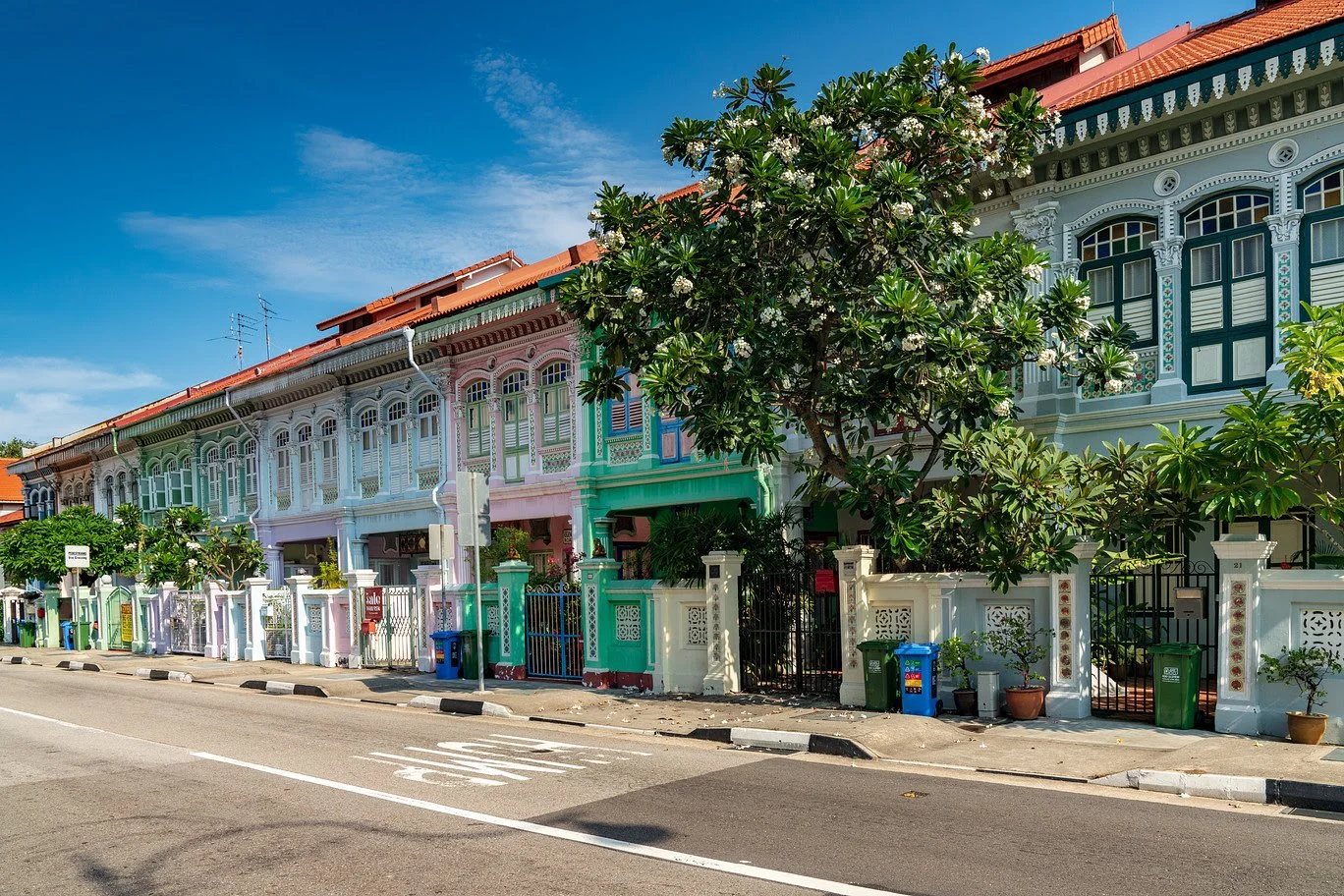
For first-time visitors, a Singapore to-do list might include tasting iconic local drinks like Teh Tarik, exploring the colorful streets of Haji Lane, or enjoying our private food and cultural walking tours. Families and friends alike can discover the city’s rich culture, modern attractions, and unique culinary delights.

Whether you’re here for the sights, flavors, or experiences, Singapore is the perfect place to start 2026 with joy. We look forward to welcoming you on our tours for unforgettable memories this year!

Celebrate, explore, and make 2026 in Singapore truly special!

First Time in Singapore at Christmas: A Simple Travel Guide

Singapore is magical during the Christmas season. For first-time visitors, the city transforms into a dazzling wonderland filled with sparkling lights, festive markets, and exciting holiday events. Here’s your simple guide to enjoying Christmas in Singapore like a local.

First Time in Singapore at Christmas: A Simple Travel Guide

Photo: STB

1. See the Iconic Christmas Lights in Singapore

Orchard Road is the heart of Singapore’s Christmas celebrations. Every December, this famous shopping street lights up with themed decorations, sparkling LED displays, and festive installations. First-timers should stroll along Orchard Road Christmas lights 2025 in the evening for the full experience.

Tip: Weekdays are less crowded, so plan your visit early to avoid crowds.

2. Explore Christmas Markets and Holiday Fairs

Singapore has several festive markets where you can shop for gifts, try seasonal treats, and enjoy a holiday atmosphere. Some top picks include:

  • Christmas Village at Marina Bay Sands – Crafts, souvenirs, and festive snacks.

  • Gardens by the Bay Festive Market – Seasonal food, decorations, and family-friendly activities.

Markets often have live performances, photo spots, and unique local twists on Christmas classics.

3. Taste Festive Food and Drinks

Christmas in Singapore comes with delicious seasonal treats. Cafes and restaurants offer special menus, such as gingerbread lattes, Christmas log cakes, and local twists on holiday classics. Foodies can enjoy:

  • Christmas-themed desserts at Marina Bay Sands cafes

  • Seasonal specials at Orchard Road restaurants

  • Street food with festive flavors at holiday markets

4. Join Seasonal Events and Performances

Singapore hosts concerts, light shows, and holiday performances. Key locations include:

  • Marina Bay Sands – Light and sound shows

  • Esplanade – Christmas concerts and performances

  • Gardens by the Bay – Festive light displays and music

Check event schedules in advance to plan your visits.

5. Tips for First-Time Visitors

  • Plan ahead: Popular spots get crowded, especially on weekends.

  • Dress for the weather: Singapore is warm, even in December. Light clothing and comfortable shoes are recommended.

  • Use public transport: MRT and buses are convenient and save time during peak season.

  • Capture memories: Bring a camera or smartphone—the city lights are spectacular.

Frequently Asked Questions (FAQs)

Q: When is the best time to see Christmas lights in Singapore?
A: Early December to Christmas Eve is ideal. Evening hours (6–10 PM) are the most magical.

Q: Are Christmas markets in Singapore family-friendly?
A: Yes! Markets like Marina Bay Sands and Gardens by the Bay have activities suitable for all ages.

Q: Can first-time visitors easily get around Singapore during Christmas?
A: Yes! MRT, buses, and taxis make it easy to explore holiday spots without renting a car.


Experiencing Singapore for the first time at Christmas is unforgettable. From glittering lights on Orchard Road to festive markets and seasonal events, there’s something for everyone. Plan your itinerary, enjoy the festive flavors, and soak up the holiday spirit in the Lion City.

Ready to explore Christmas in Singapore? Check out our guided tours and holiday experiences for first-time visitors to make the most of your trip!

Eating Through Singapore in December: A Local Food Guide

Singapore is a city that doesn’t just offer sights—it offers flavors. From bustling hawker centers to trendy cafes, the Lion City is a paradise for food lovers. And December is an especially exciting time to explore Singapore’s culinary scene: the city is alive with festive lights, seasonal dishes, and warm, bustling streets perfect for a food adventure. Whether you’re a first-time visitor or a returning foodie, here’s your guide to eating your way through Singapore in December.

Savoring every bite on our private Singapore food tour! From hawker favorites to festive December treats, this is how you truly eat your way through the Lion City.

1. Start with Hawker Favorites

No trip to Singapore is complete without visiting a hawker center. These vibrant food courts are where locals eat daily and where travelers can taste authentic flavors without breaking the bank.

  • Hainanese Chicken Rice – Often called Singapore’s national dish, this simple yet flavorful meal features tender chicken, fragrant rice, and a side of chili sauce. Try it at Tian Tian Chicken Rice at Maxwell Food Centre.

  • Char Kway Teow – Stir-fried flat rice noodles with egg, Chinese sausage, and shrimp, often cooked over high heat for that smoky “wok hei” flavor. Head to Hill Street Fried Kway Teow for a taste.

  • Laksa – A spicy coconut noodle soup that’s perfect for the December chill. The Katong Laksa in the east of Singapore is a local favorite.

Hawker centers are also great for seasonal treats, like pineapple tarts and festive cookies, often sold around December for the upcoming holidays.

2. Satisfy Your Sweet Tooth

Singaporeans love their desserts, and December brings unique flavors influenced by both local traditions and global trends.

  • Ice Kachang – A colorful shaved ice dessert with red beans, jelly, and sweet syrup. Even in cooler December evenings, this treat is a must-try.

  • Durian – Known as the “king of fruits,” durian season overlaps with December in some years. You can sample it fresh or in pastries, like durian puffs at local bakeries.

  • Chendol – Another sweet iced dessert, made with coconut milk, green rice flour jelly, and palm sugar syrup. Perfect for a light, refreshing snack while exploring the city.

3. Experience Festive Street Food

December is not just about regular dishes; it’s also a time when Singapore’s streets come alive with seasonal markets and festive snacks.

  • Christmas Market Treats – Areas like Orchard Road and Gardens by the Bay often host pop-up markets where you can try roasted nuts, gingerbread cookies, and hot chocolate with local twists.

  • Festive Local Snacks – Try kueh bangkit or ondeh-ondeh from neighborhood bakeries, traditional bite-sized treats that are especially popular during festive months.

4. Explore Neighborhood Eats

Singapore is a city of neighborhoods, each with its own culinary identity. Exploring these areas in December adds extra flavor to your adventure:

  • Chinatown – Sample bak kwa (barbecued pork) and festive mooncakes from specialty shops.

  • Little India – Indulge in vibrant curries, spicy snacks, and seasonal Indian sweets in celebration of year-end festivals.

  • Kampong Glam – Taste Middle Eastern-inspired dishes, local Malay favorites, and festive kuih for a unique holiday twist.

5. Make It a Singapore Food Tour

If you want to maximize your food experience in December, consider joining a guided food tour. A knowledgeable guide can take you to hidden gems, explain the history behind each dish, and ensure you try the best seasonal specialties. From hawker centers to neighborhood cafés, it’s the perfect way to eat your way through Singapore with confidence.

Singapore To-Do List in December:

  • Visit a hawker center and taste chicken rice, laksa, and char kway teow

  • Try festive and seasonal desserts

  • Explore neighborhood snacks in Chinatown, Little India, and Kampong Glam

  • Join a food tour to uncover hidden gems

Singapore’s food scene is as diverse as its culture, and December is the ideal time to dive in. From local favorites to festive treats, there’s something to satisfy every craving—so bring your appetite and prepare for a delicious adventure.

Hello SingaporeHello! Tours